Small country, yet big surprise. I always pictured Luxembourg as this micro-state only working to launder money! No, I am kidding, not that cliché! but nevertheless, I never really though that there was a countryside and moreover, a very nice one. A simple glance at a map should have given me the sense of size. This is not Vatican City or Monaco! Neither was I thinking of stopping there for leisure (I flew to luxembourg-Ville on a business trip 25 years ago but stayed for few hours only!)
But since it was almost on a straight line from Germany to the Loire Valley and that 4 friends have been living there for decades, we planned to stop and look by ourselves!
There are definitely two Luxembourg, the one I envisioned and the one that we discovered. As for the latter, is may well be split in two… hence a fitting tittle!
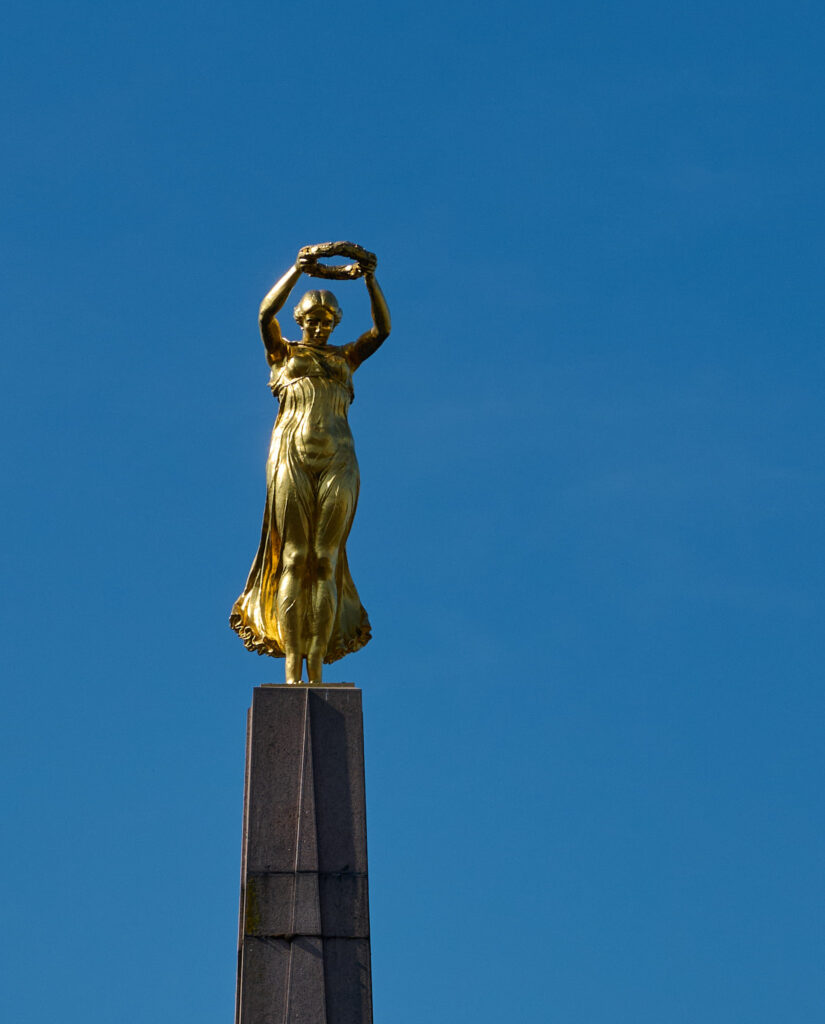
Our accommodation was 30 minutes away by train (free rides on all public transport!) from the city centre. My friend took me for an express visit of he capital. I was welcomed by The “Golden Lady” (Gëlle Fra) on Constitution Square a statue on a tall column set up in 1923 to commemorate the Luxembourgers who perished in the First World War.
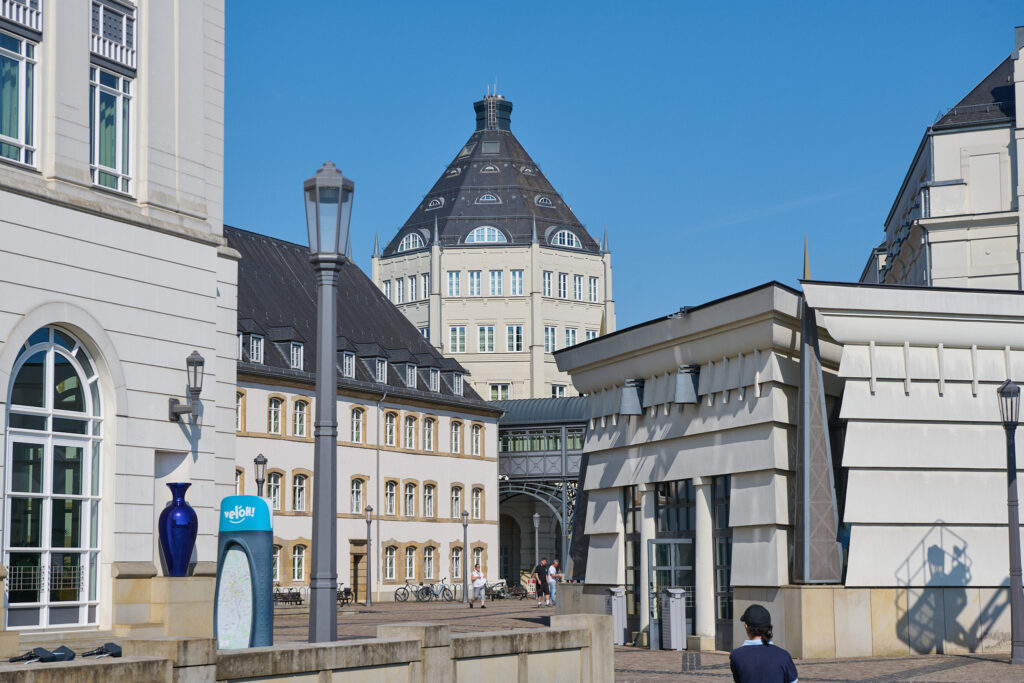
a short walk and we reach “La cité judiciaire” (Judiciary City) from which we started the The Wenzel circular route (in a complete messed up itinerary – The route was named in memory of Wenzel II, Duke of Luxembourg between 1383 and 1419. During his reign, part of the third ring wall, the so-called Wenzel Wall, was built to protect the residents of the valley), following an old defence wall taking us to the barracks built under Vauban on “le rocher du Bock” while walking along L’Alzette a nice tranquil river flowing down below.
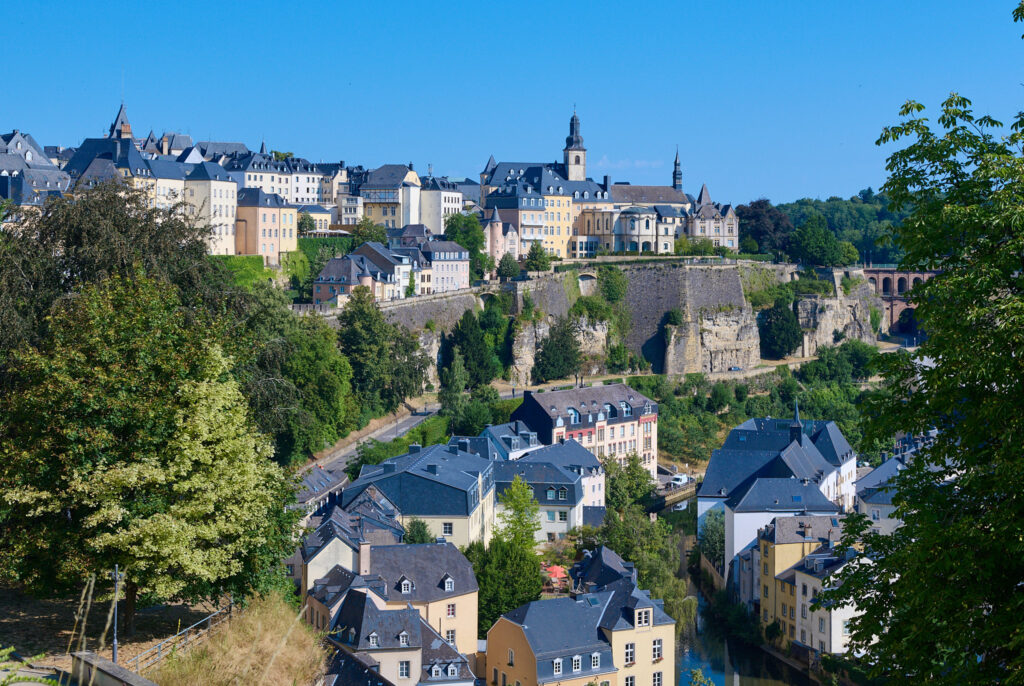
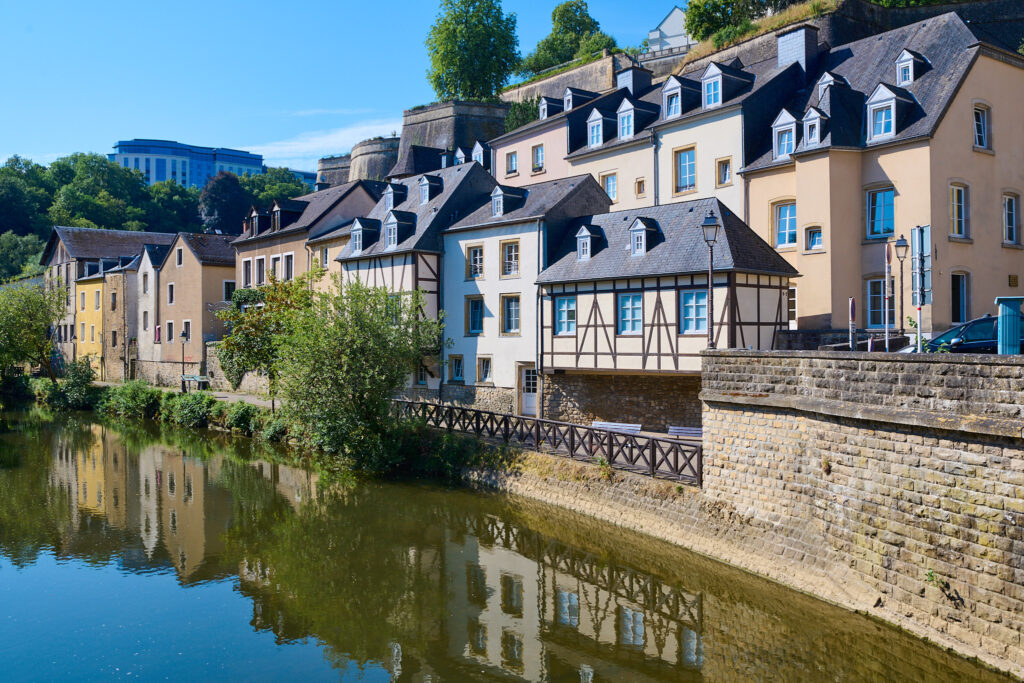
We walked back toward our departure point using “le chemin de la corniche”, trail supposed to be “the most beautiful balcony of Europe”
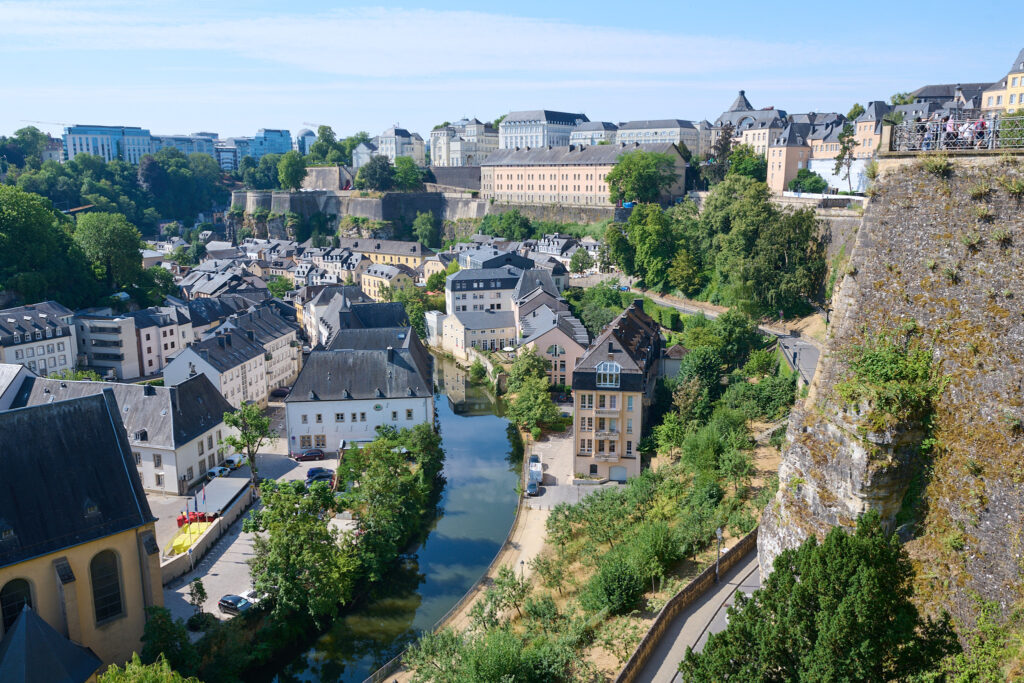
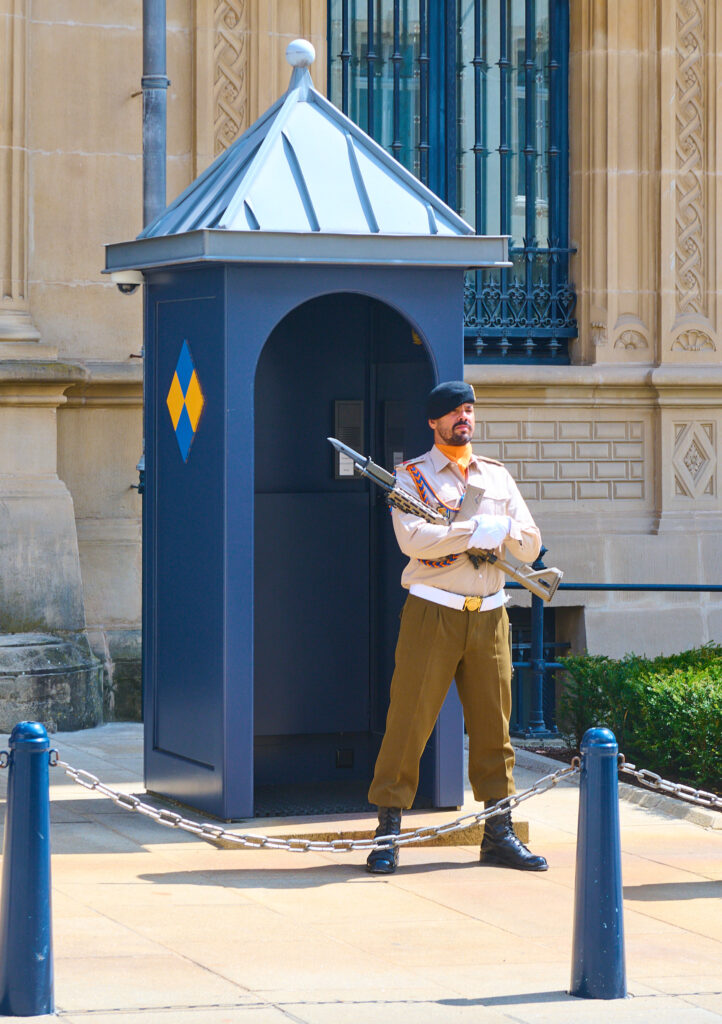
We could not leave without walking toward the Grand Ducal Palace (Palais grand-ducal).
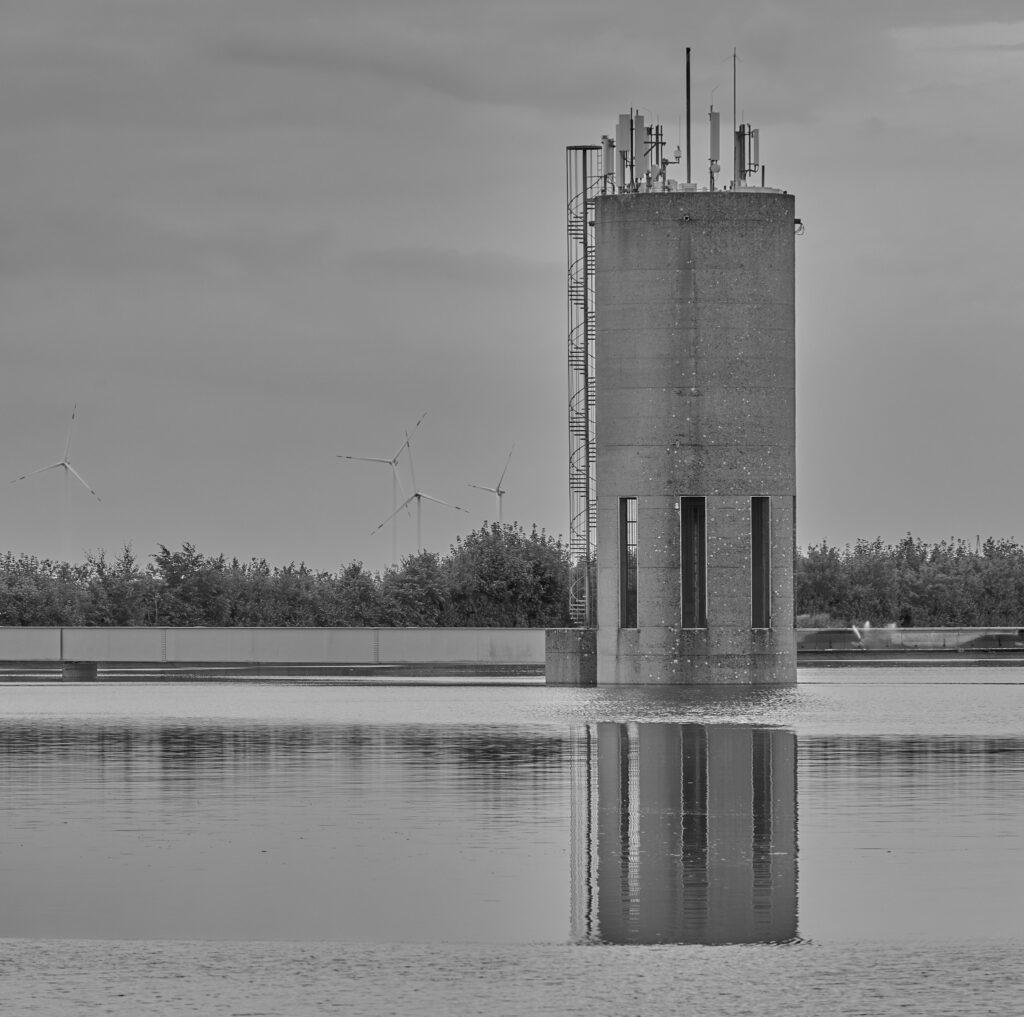
Time to visit the “other” Luxembourg… the countryside and more specifically driving toward the north east close to the German border. We could see the main Luxembourg hydro-electric installation in Vianden. This plant pump up water to a top reservoir while the electric demand is low and retrieve its electric counterpart when gravity feeds 1000MW worth of turbine in the Our valley.
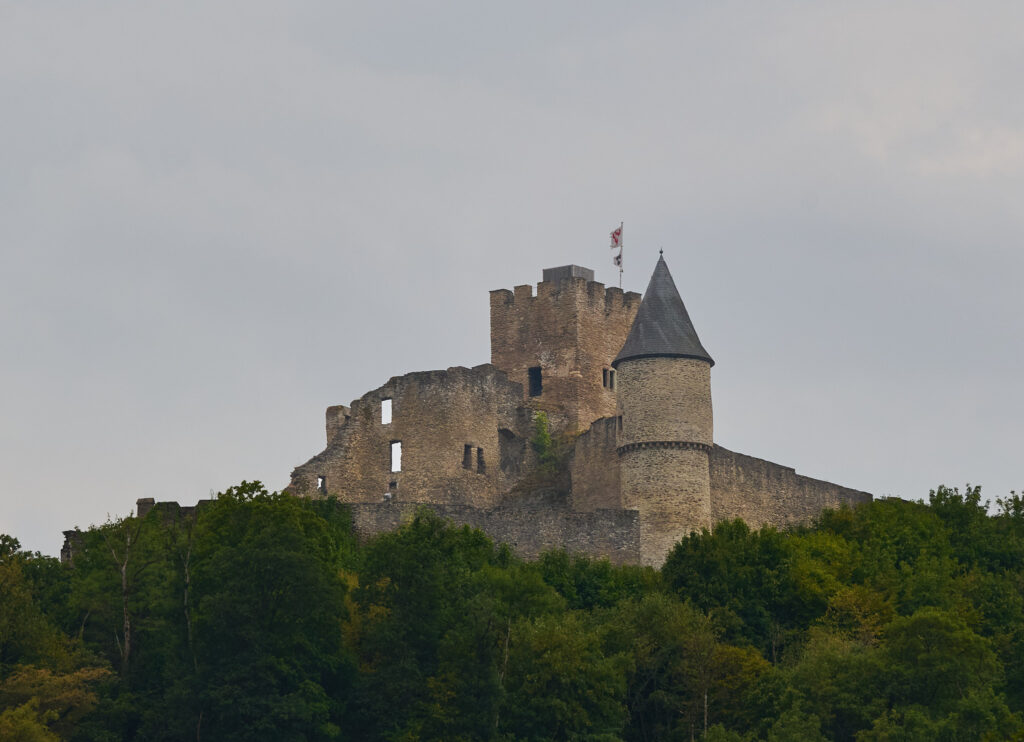
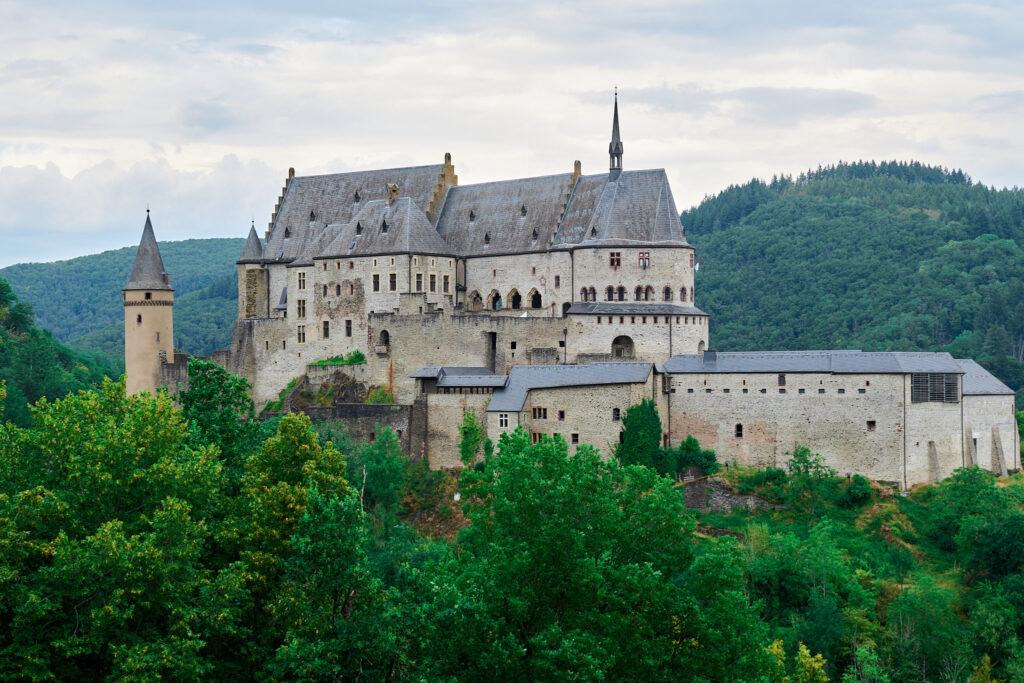
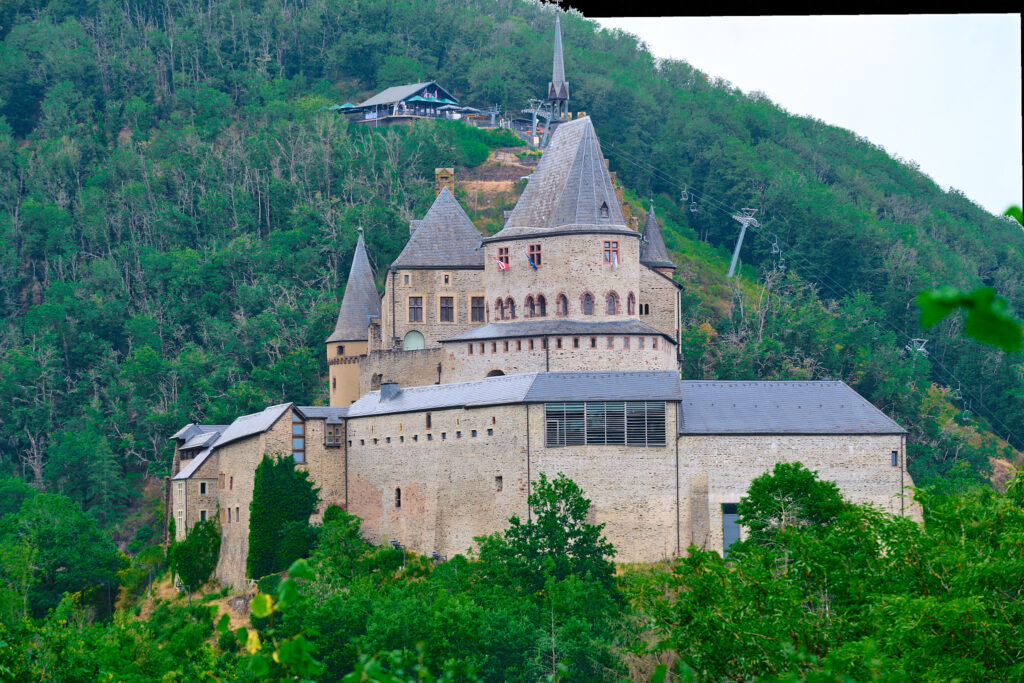
The small town is also looked upon by a castle. Vianden Castle is not what it used to be as a new owner in 1820 demolished a good part of the 13th / 17th century structures! Still a good picture for the tourists though!
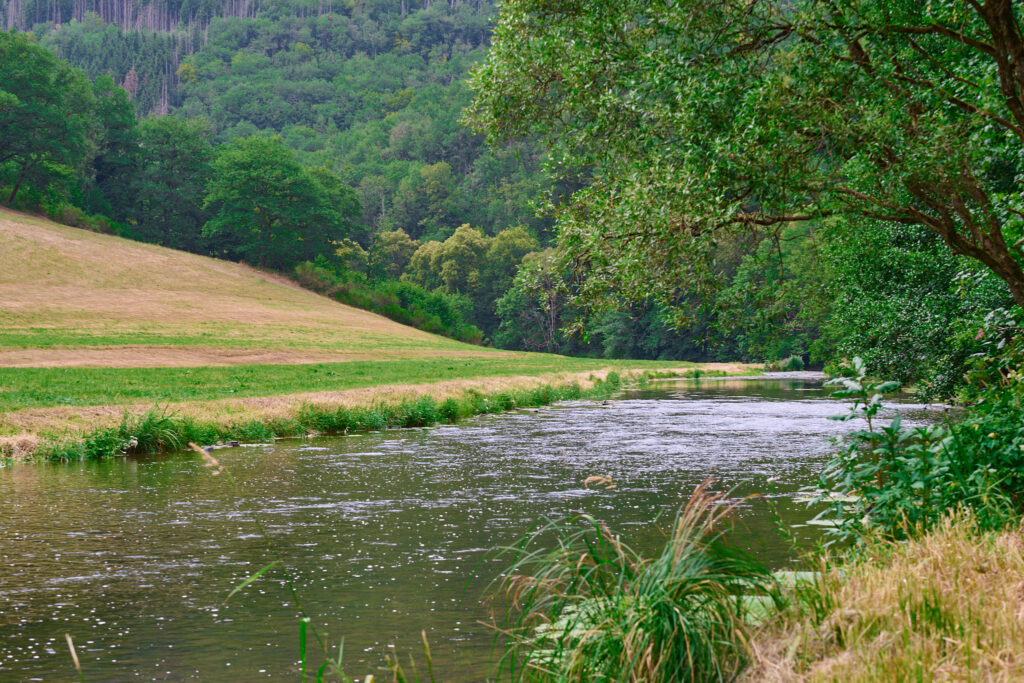
Driving back southward to our lodging, we noticed other ruined castles and shallow rivers that give Luxembourg the nature appeal that I wasn’t suspecting. It will need more visit to discover other treasures… so stay tuned!